

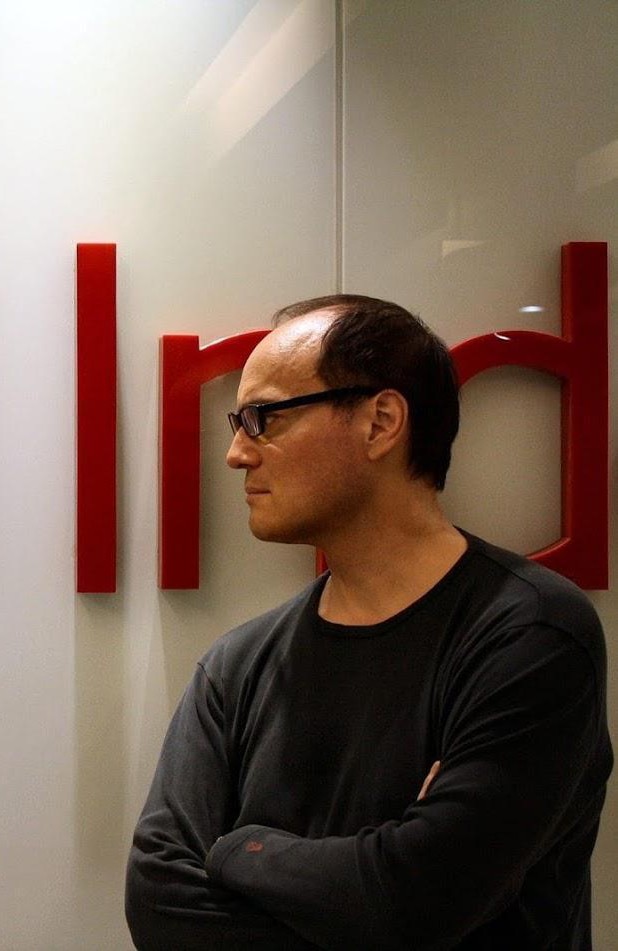
After studying dance and music at the Royal Conservatory in The Hague, he began his career with the Ballet of Flanders (1985), continuing with the London Festival Ballet/English National Ballet, with which he toured internationally. Later, Gerard danced under contract in Paris, Basel, and Ulm, where he was also principal dancer and deputy director. After his choreography Ketuk Tilu (1999), a hybrid interpretation of forbidden (Jaipongan) dance and music, he created forty productions. As a migrant child, his work is rooted in a critical reflection on the (Indonesian) community and colonialism, striving for contemporary social relevance and geopolitical awareness. He combines classical and modern idioms with intercultural themes. Two decades of working in Indonesia resulted in unique productions and annual international tours in collaboration with leading artists (such as Miroto, Sri Qadariatin, Eko Supriyanto, Garin Nugroho) and cultural institutions. With his agency MTSM, he brings large-scale opera and dance productions from Asia and Eastern Europe to theaters in the Netherlands, Flanders, and Germany. His most recent choreography, Carmina Burana (2020), performed by the National Opera and Ballet of Ukraine, Odesa, is sold out every year.
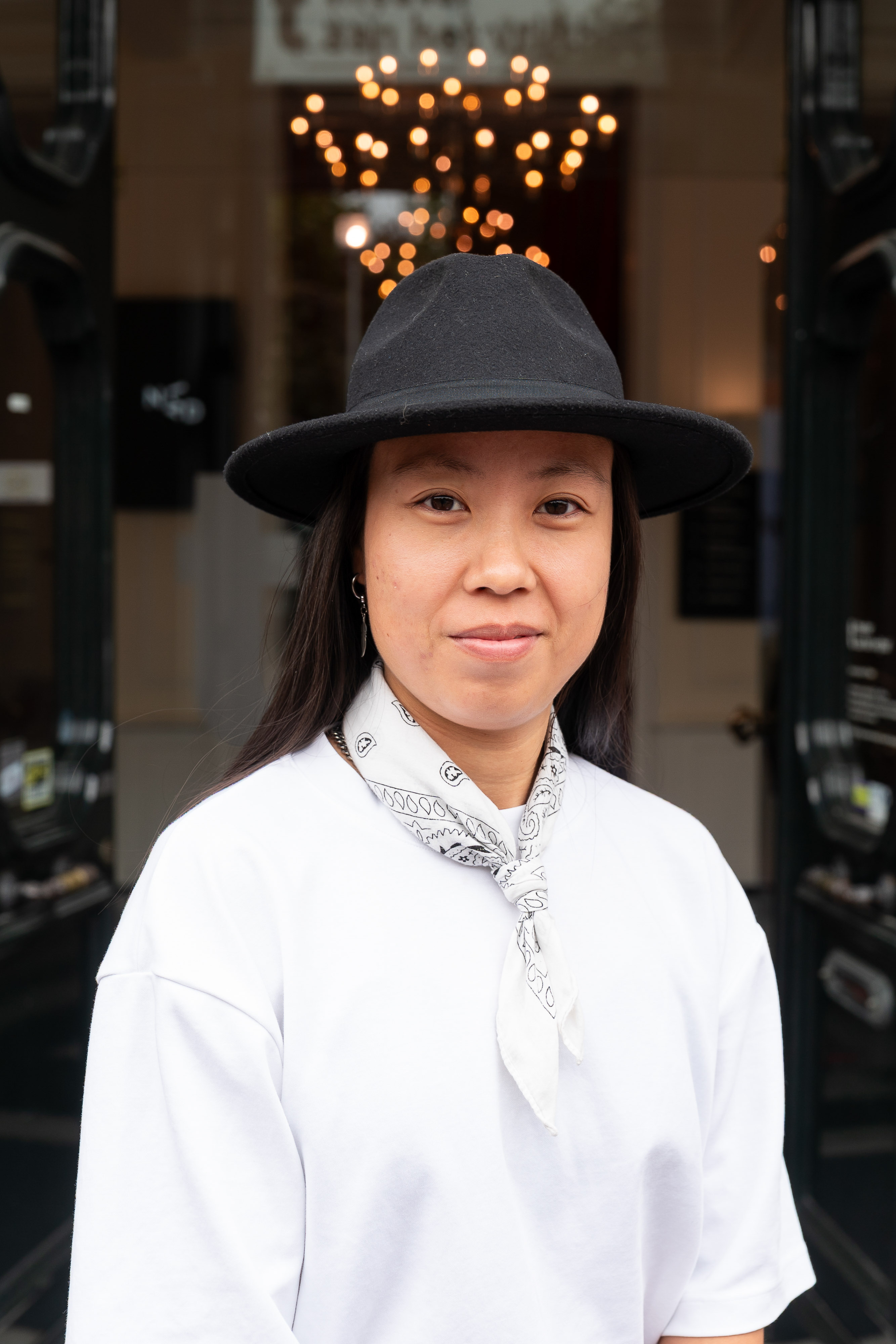
Gi Au-Yeung is a cultural producer and business leader with a background as a performing dancer and dance teacher in the hip-hop scene. From those roots, she developed a deep understanding of movement, rhythm, and collective energy, which she now uses to support both artistic projects and social impact. After years on stage, Gi consciously chose a role in production and business leadership. She considers it essential that stories with cultural and historical significance receive structural support and reach a wide audience. Her work focuses on connecting dance, heritage, and communities, with a special focus on Indonesia and the Moluccas. She strives to realize projects that bridge generations, cultural contexts, and artistic disciplines. In her practice, Gi explores themes such as decolonization, intergenerational transmission, and making visible stories that would otherwise remain untold. She wants to create space for new voices, open up perspectives, and use art as a means for connection, reflection, and social dialogue. Gi is currently pursuing a master's degree in DAS Creative Producing at the Amsterdam Academy of Theater and Dance, further deepening her producing and business skills. Her mission remains the same: to develop meaningful projects that mobilize artists and communities, connect heritage and stories with the future, and have a lasting impact on the cultural landscape.
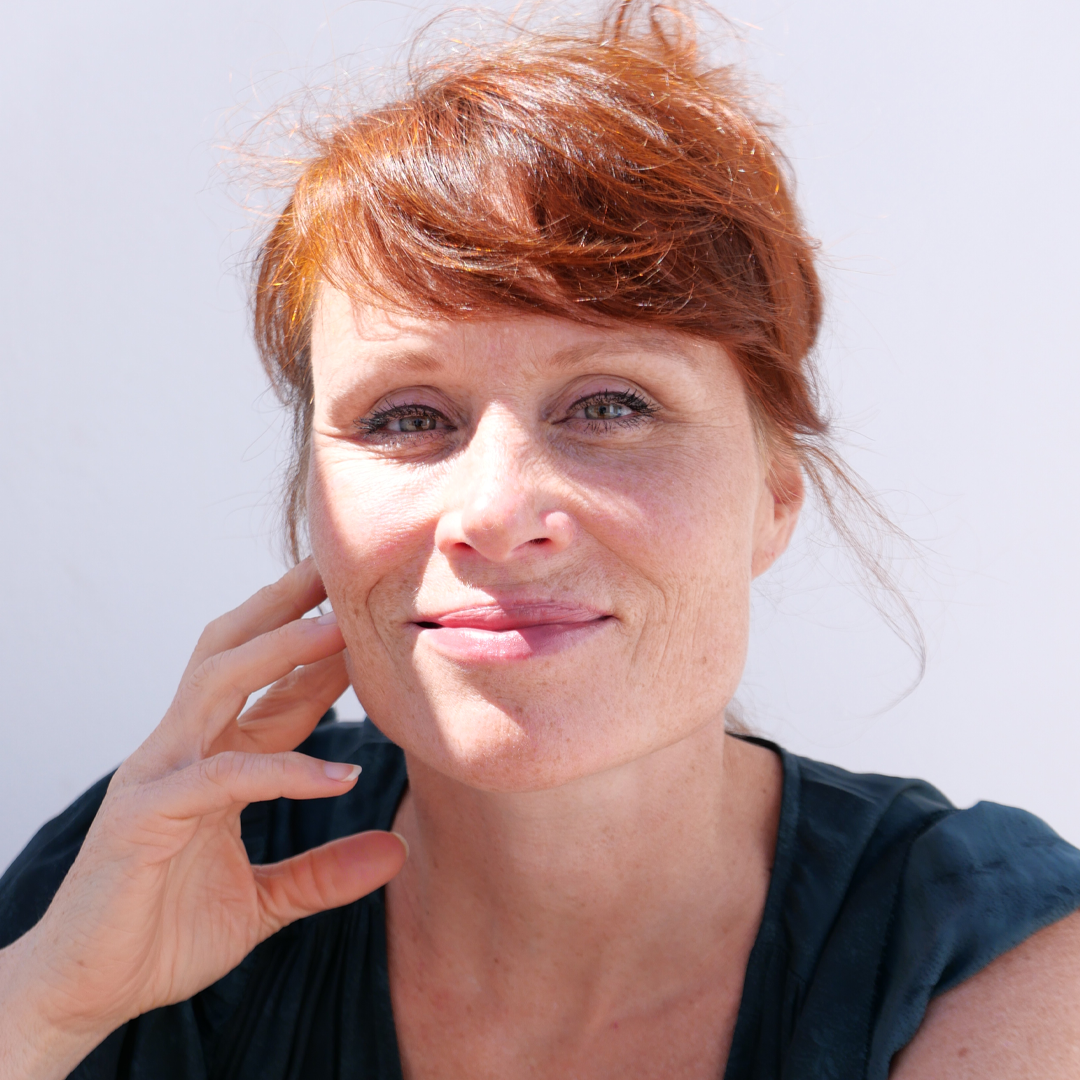
Gwen Langenberg (1976) graduated as a dancer from the Amsterdam University of the Arts (AHK) in 1998 and has since built a rich and varied career in the performing arts. Her professional career began with an internship in Joop van den Ende's West Side Story (1997–1998), after which she worked as a dancer and performer with inspiring creators and companies, including Suzy Blok, De Nederlandse Opera, Danstheater AYA, and Cecilia Moisio Performing Arts. Since 2011, Gwen has been a regular performer with the Jakop Ahlbom Company, where she has appeared in acclaimed productions such as Horror, Vielvalt, and Swan Lake - in collaboration with ICK Amsterdam. Recent highlights include celebrating female power in Cecilia Moisio's Pink Portal (2022) and her impressive portrayal of the father in Pinocchio Effect (2023–2024) by Cecilia Moisio in collaboration with MaasTD and Stichting Scapino Ballet Rotterdam - a role for which she was nominated for the ND “Jonge Zwaan.” Since 2020, Gwen has been working in her own practice as a therapist. Inspired by her research into transgenerational trauma in the third generation of Indonesian descendants, she helps others to recognize and break patterns — a process that is closely linked to her own Indonesian roots and personal journey.
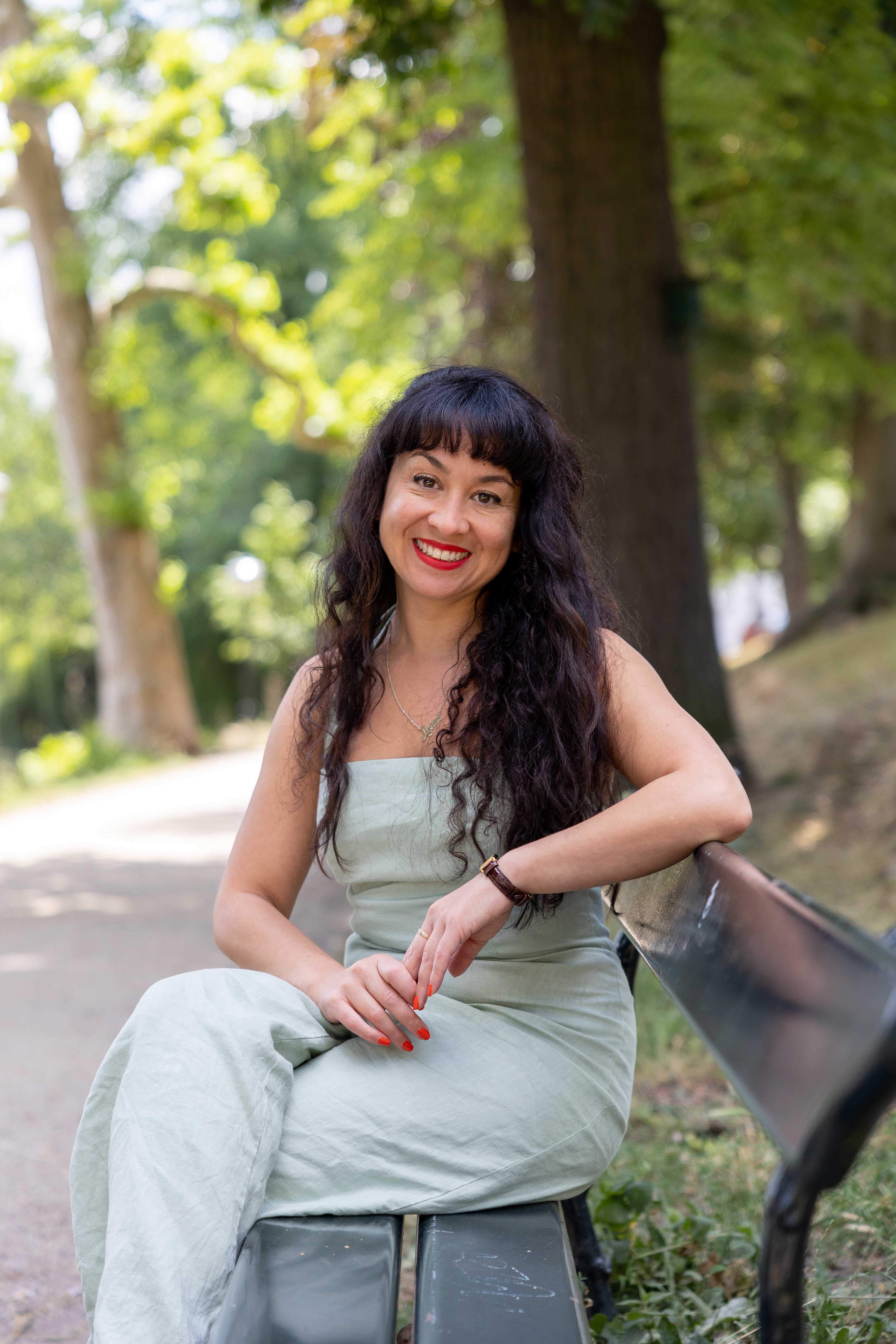
Lynn Bartels (Boxtel, 1980) studied dance at the Fontys Dance Academy in Tilburg and danced with ISH Dance Collective for many years. She then studied Art History at the University of Amsterdam. For more than sixteen years, she worked as a programmer and core artistic dance teacher at Theater de Meervaart in Amsterdam. She is currently pursuing a master's degree in Contemporary Dance, Theater, and Dramaturgy at Utrecht University, focusing on dance and diaspora and creators with a transcultural background. Lynn has been closely involved with the changeMakers project from the start and feels a strong connection to it. "My father was born in Semarang, Java, the first son of a Chinese mother and an Indonesian-Portuguese father. I know what it means to be Indo mainly through food, spirituality, the Indo Silence, and intergenerational trauma. It is remarkable to see how many people are currently asking questions about their cultural background and expressing this artistically. I look forward to sharing perspectives, learning from each other, and exploring together."
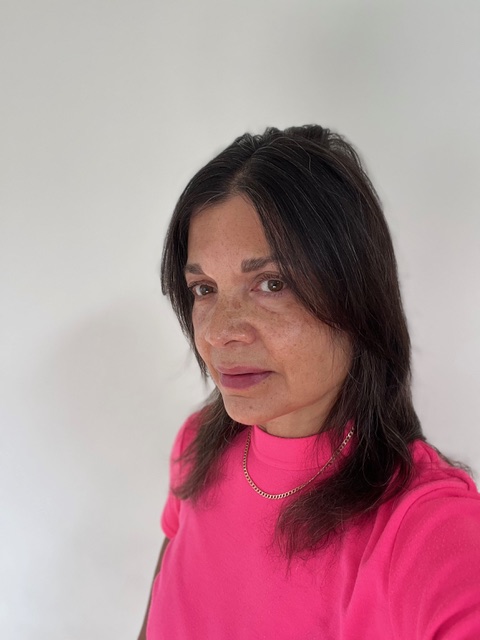
Renée Copraij studied Dance and Art History. In the 1990s, she worked with Jan Fabre as a dancer and later as a dramaturge for the productions Swanlake and Tannhaüser. Copraij gave choreography workshops at the SNDO in Amsterdam and was an artistic advisor to many students. She worked as a curator for Festival a/d Werf, where she produced work at the intersection of visual art and theater. From 2012 to 2016, Copraij was curator for the guest artist program at ICK and returned to the stage as a performer and dancer with Florentina Holzinger, Vincent Riebeek, and Marten Spangberg. In 2017, she founded DANSCO: an organization that produces the work of artists active in the dance landscape with whom Renée has a long-standing artistic relationship. In 2019, she traveled to Indonesia for the first time to conduct research on heritage and ancestry and to learn the slow Javanese dance in Solo from Ibu Rossini. Together with Eko Supryanto, she traveled to Kalimantan and Timor to meet the local dance scenes. Currently, most of her time is spent collaborating with Florentina Holzinger and doing dramaturgy and research for Cherish Menzo. In 2026, Renée will continue her research into heritage and ancestry with Antonia Steffens and Eko Supryanto.
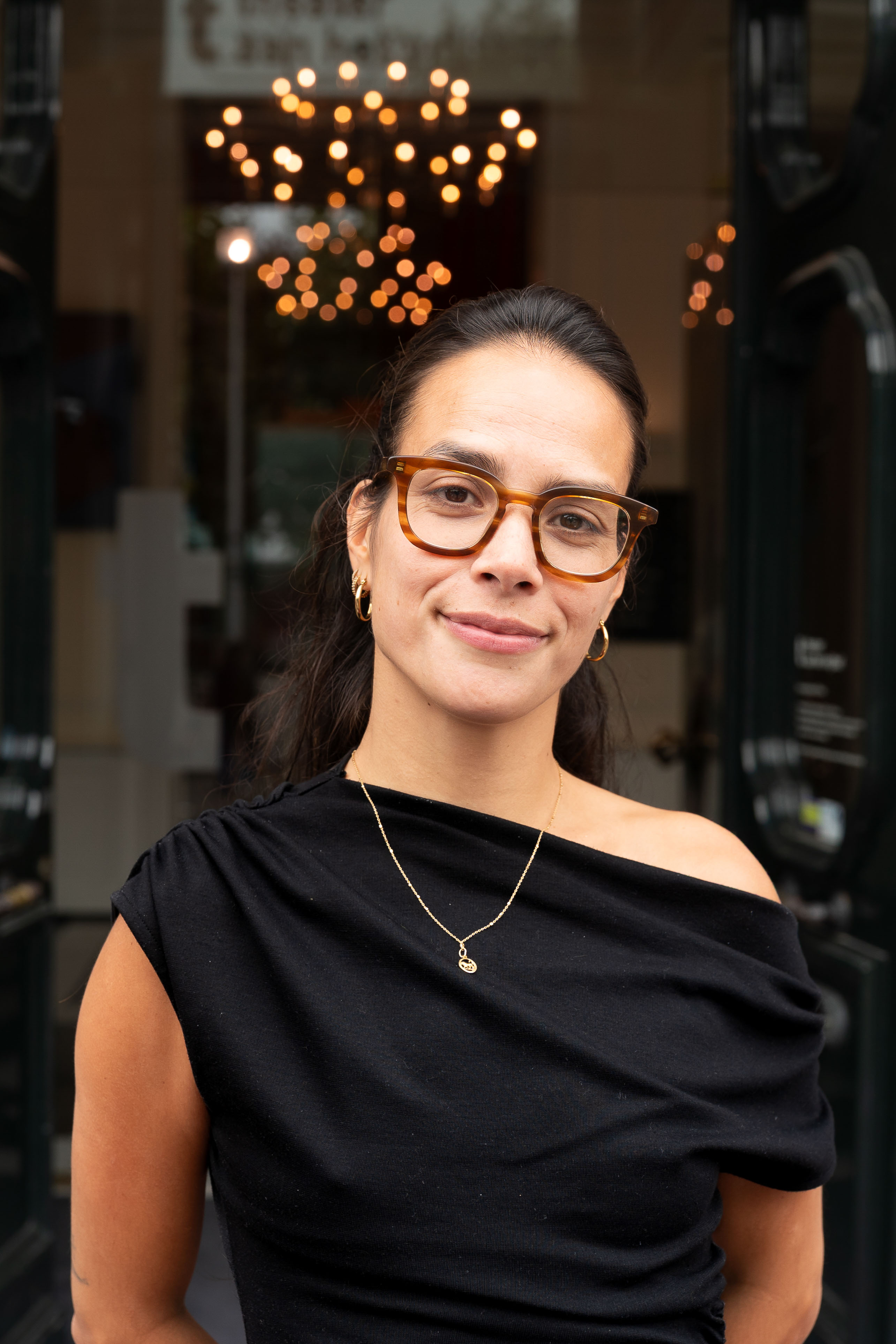
Sascha Lekatompessy is a Dutch movement artist with Moluccan roots. At a young age, she found her first love in dance, a passion deeply connected to the music and traditions of her family and culture. She began her dance journey with jazz ballet and later immersed herself in various hip-hop styles. This versatile background forms the basis of her own authentic movement language, in which styles and influences come together. In the Netherlands, she has performed on major stages and collaborated with a wide range of artists and brands. She has also refined her technique internationally and developed her own artistic voice. In recent years, Sascha has worked as artistic director of the Urban Danser vocational dance department in Arnhem and produced various performances focusing on young talent. She also devotes a large part of her time to coaching and mentoring young creators and performers. She has appeared in Cheroney Pelupessy's performance KETURUNAN, among others. For Sascha, dance is an endless quest. It is a language that transcends words and speaks directly to the heart. Through her work, she wants to make emotions tangible and create a connection that touches people on a deeper level.
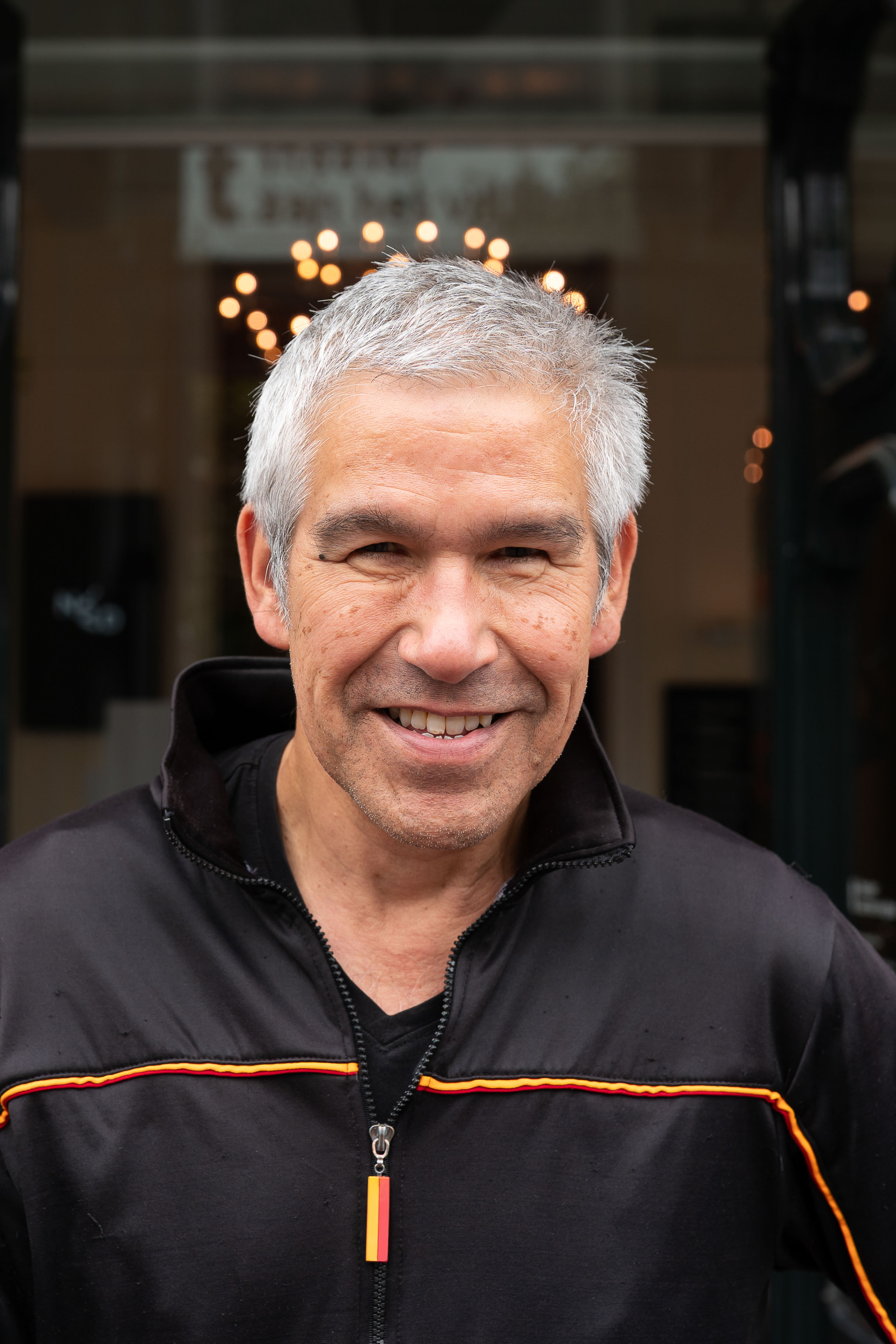
How much complexity can we tolerate? And conversely, how much simplification do we need to survive? These are questions without answers that run like a thread through my life. During my studies in social psychology, I became increasingly aware that science needs art, and vice versa. During the following years in underground culture, I became increasingly aware that underground needs mainstream, and vice versa. I feel at home in the gray borderland between worlds. Where certainties are lost. In 1994, I came into contact with dance as an art form of embodiment and movement. It never let me go. Gérard Lemaître once said, “Dance is a secret,” and the way he said it alone made it true. For me, dance is the key to not knowing. To the realization that reality is too rich and too changeable to comprehend, but that through dance we can experience it as such - and embrace it. That is the wisdom I see in every dancer who dances first and thinks later. In every choreographer who gives meaning to dance and at the same time destroys meaning. And in every spectator who cannot find the words to express their emotion. Or to quote Peggy Lee: “if that's all there is, my friends, then let's keep dancing.”
changeMakers was designed as a collective to cultivate a creative environment where knowledge, resources and values can be shared.
A central component of this environment is the community panel, a group of seven representatives from the Indonesian and/or Indische communities with ties to the Dutch dance field.
This panel has been responsible for selecting the exhibition’s five makers and remains actively involved in the project by providing support throughout the process.
To form the panel, the festival invited three individuals with a connection to the theme. These three then invited one additional person. This process continued until the group was representative and complete.
This decentralised approach enabled the community panel to shape itself, fostering a more inclusive and representative exhibition community.